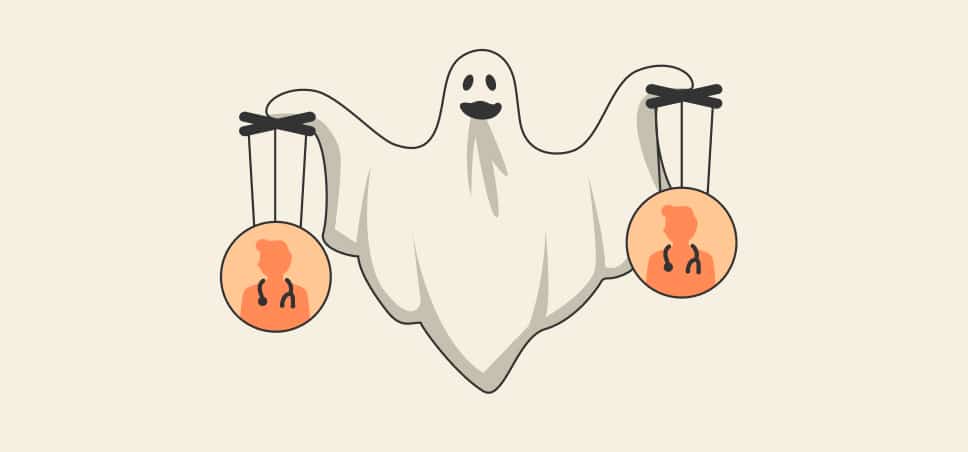
Ghost networks are health insurance provider directories that contain inaccurate, outdated, or misleading information about participating healthcare providers. They can include physicians who are no longer in-network, are not accepting new patients, have incorrect contact information, or are no longer practicing at the listed location.
These inaccuracies make it harder for patients to find available care, even when their health plan appears to offer an adequate provider network.
Quick answer: A ghost network is an inaccurate health insurance provider directory that makes it difficult for patients to identify and schedule care with in-network providers who are actually available.
Patients are looking for you right now
Show up where millions of patients search, compare, and book care.
Why are ghost networks a problem?
Patients rely on provider directories to make informed healthcare decisions.
When those directories contain inaccurate information, patients may spend hours contacting providers who:
- Are no longer in-network
- Are not accepting new patients
- Have retired or relocated
- Have incorrect phone numbers or addresses
- Do not offer the listed specialty or service
The result is delayed care, increased frustration, and unnecessary administrative work for both patients and healthcare practices.
Ghost networks can also create the impression that a health plan offers more provider access than patients actually experience.
How do ghost networks happen?
Provider information changes frequently.
Practices update:
- Office locations
- Phone numbers
- Accepted insurance plans
- Provider availability
- Practice ownership
- New patient acceptance
- Clinical services
Keeping provider directories accurate requires continuous coordination between insurers, healthcare organizations, and medical practices.
Without frequent updates, directory information can quickly become outdated.
How do ghost networks affect patients?
The biggest impact is delayed access to care.
Patients may spend significant time researching providers only to discover they cannot schedule an appointment.
Ghost networks can lead to:
- Longer wait times
- Delayed treatment
- Confusion about insurance coverage
- Additional out-of-pocket costs
- Greater administrative burden
- Lower patient satisfaction
These challenges can be especially serious for patients seeking time-sensitive or behavioral healthcare services, where provider shortages already limit access.
How do ghost networks affect healthcare providers?
Inaccurate directories also create problems for providers.
Practice staff may spend valuable time answering calls from patients who were directed to the wrong office or mistakenly believe the practice accepts their insurance.
Outdated information can also lead to:
- Missed patient opportunities
- Scheduling inefficiencies
- Increased administrative work
- Patient frustration before the first appointment
- Damage to patient trust
Maintaining accurate provider information helps create a better experience for everyone involved.
What are regulators doing about ghost networks?
Provider directory accuracy has received growing attention from lawmakers and regulators in recent years.
In 2024, the U.S. Senate Finance Committee advanced the bipartisan Requiring Enhanced & Accurate Lists of (REAL) Health Providers Act, which aims to improve provider directory accuracy and strengthen accountability for Medicare Advantage plans.
Several states have also introduced laws requiring insurers to update provider directories more frequently and improve network accuracy.
The Centers for Medicare & Medicaid Services (CMS) also requires Medicare Advantage organizations to maintain accurate provider directories and meet network adequacy standards.
How can healthcare organizations reduce ghost networks?
Improving provider directory accuracy requires ongoing collaboration between insurers and healthcare organizations.
Best practices include:
- Regular provider data verification
- Frequent directory updates
- Provider self-service tools
- Automated data validation
- Clear processes for reporting inaccuracies
- Regular communication with participating providers
Accurate provider information benefits patients, providers, and health plans alike by reducing unnecessary friction during the scheduling process.
How can providers help keep their information accurate?
Although insurers maintain provider directories, medical practices also play an important role.
Practices should regularly review and update:
- Accepted insurance plans
- Office addresses
- Phone numbers
- Provider availability
- New patient acceptance
- Office hours
- Specialty information
Keeping this information current helps patients find appropriate care while reducing unnecessary scheduling issues.
How does accurate provider information improve patient access?
Finding the right provider should not be the hardest part of receiving care.
Digital healthcare platforms that display current provider information, accepted insurance, appointment availability, and online scheduling can reduce many of the barriers associated with outdated provider directories.
The Zocdoc Marketplace helps patients search for in-network providers, view real-time availability, and book appointments online using provider information that practices actively maintain.
The bottom line
Ghost networks make it harder for patients to access timely healthcare by creating confusion about which providers are actually available and in-network.
Improving provider directory accuracy benefits everyone. Patients spend less time searching for care, practices receive fewer misdirected calls, and healthcare organizations can provide a more reliable experience.
As healthcare continues to become more digital, maintaining accurate provider information will remain an essential part of improving patient access and building trust.
If you’re looking for a platform that helps patients find accurate provider information and book appointments online, learn how Zocdoc supports both patients and healthcare organizations.
Join the platform patients trust
Attract new patients, fill your schedule, and become bookable everywhere patients look for care.
Frequently asked questions
What are ghost networks?
Ghost networks are inaccurate health insurance provider directories that list providers who are unavailable, no longer in-network, not accepting new patients, or have incorrect practice information.
Why do ghost networks happen?
Ghost networks occur when provider information changes faster than directories are updated. Changes in insurance participation, office locations, provider availability, and practice operations can all contribute to outdated listings.
How do ghost networks affect patients?
Patients may experience delayed care, difficulty finding in-network providers, increased administrative burden, and unexpected healthcare costs because directory information is inaccurate.
How can ghost networks be prevented?
Healthcare organizations can reduce ghost networks through regular provider verification, automated directory updates, provider self-service tools, and ongoing communication with participating practices.
Does Zocdoc have ghost networks?
Zocdoc is designed to reduce directory inaccuracies by encouraging providers to actively maintain their profiles, including insurance participation, appointment availability, office information, and other practice details.